What Does Nuclear Grade 2 Mean In Breast Cancer
Grade 1 or low grade sometimes also called well differentiated. This stage is divided into groups.

Staging Grade Breast Pathology Johns Hopkins Pathology
The cells are growing at a speed of and look like cells somewhere between grades 1 and 3.

What does nuclear grade 2 mean in breast cancer. Doctors most often use the Nottingham grading system also called the Elston-Ellis modification of the Scarff-Bloom-Richardson grading system for breast cancer. DCIS that is low grade is nuclear grade 1 or has a low mitotic rate is less likely to come back after surgery. The skin often looks swollen thickened dimpled and red.
Grade 2 means moderately aggressive it depends on how much the cells look like normal breast cells Grade 1 quite like them Grade 2 less like themGrade 3 not like them at all. Grade 2 or intermediatemoderate grade moderately differentiated. The tumor cells look very abnormal and are fast-growing poorly-differentiated.
Stage 2A and Stage 2B. Grade 3 on the other hand means high histologic grade and is unfavorable. The difference is determined by the size of the tumor and whether the breast cancer has spread to the lymph nodes.
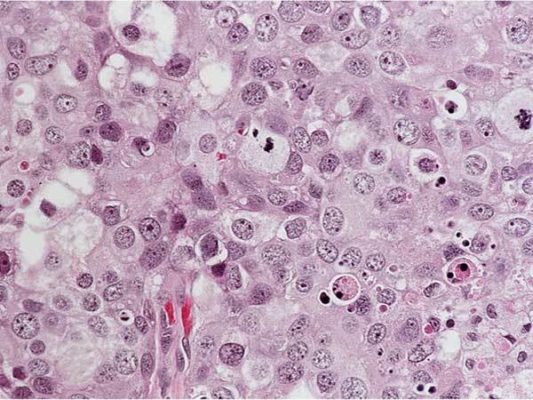
Grade 2 means intermediate histologic grade and is moderately favorable. The normal breast is made of tubes lined with cells similar to skin cells. In nuclear grade 1 the nucleus of the cancer cells looks more like normal cells while in nuclear grade 3 it looks the least like normal cells.
How much of the tumor tissue has normal breast milk duct structures. Grade 2 or moderately differentiated score 6 7. My Onc used the american adjuvant to work out what treatment I.
The cells and tissue are somewhat abnormal and are called moderately differentiated. The later stage is known as invasive or infiltrating carcinoma. Grade 1 cancer cells look a little bit different from normal cells and they grow in slow well-organized patterns.
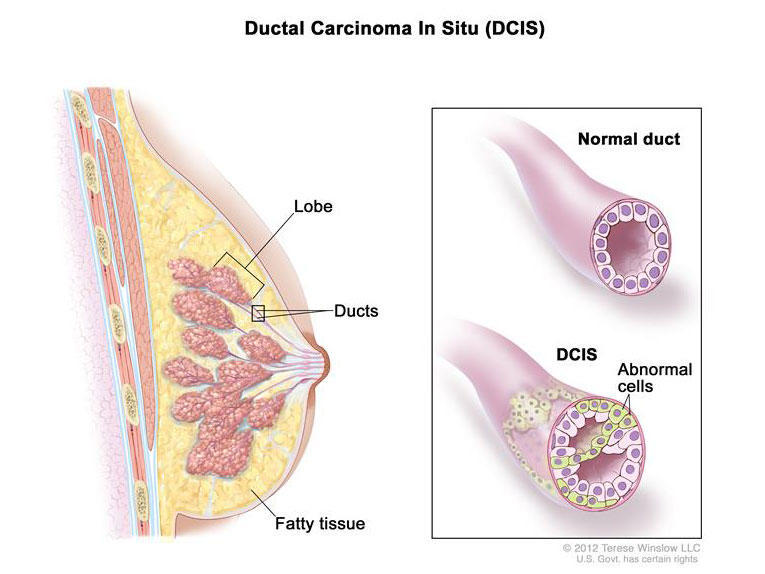
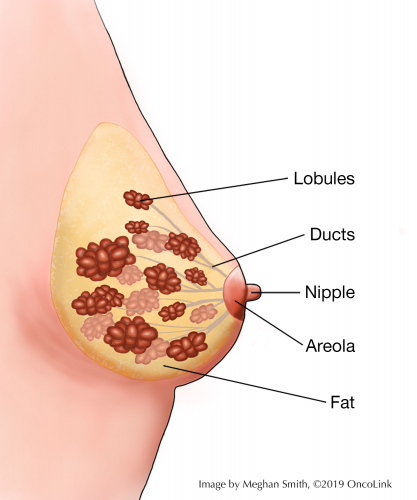
These tubes are called ducts. Mitotic Rate This is a measure of how fast the tumor cells grow and divide. This S-phase short for synthesis phase happens just before a cell divides into two new cells.
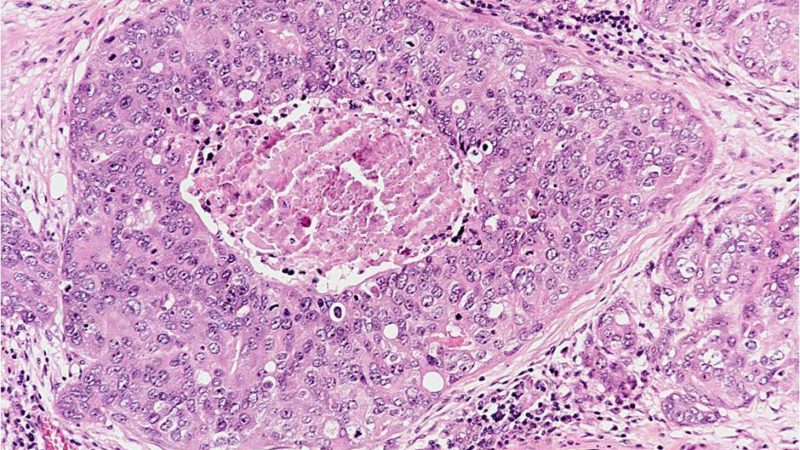
How can DCIS in situ also be focally suspicious for microinvasion. DCIS that is intermediate grade is nuclear grade 2 or has an intermediate mitotic rate falls in between these two. Nuclear Grade This is an evaluation of the tumor cell which describes how closely the nuclei of cancer cells look compared to those of normal cells in size and shape.
The tumor cells fall somewhere in between grade 1 and grade 3 moderately-differentiated. Trying to interpret my pathology report from a biopsy. It is a description of what the cell looks like under the microscope the characteristics of which can tell a doctor how likely it is to grow and spread.
Grade 2 cancer cells do not look like normal cells and are growing and dividing a little. What does nuclear grade 2-33 mean in ductal carcinoma. 1 being the slowest 3 the quickest.
Grade 1 or well differentiated score 3 4 or 5. This would add 3 points to the cumulative score for arriving at an overall grade of infiltrating ductal breast cancer. An evaluation of the size and shape of the nucleus in the tumor cells.
These cancers are considered poorly differentiated since they no. These are intermediate grade tumors. A result of less than 6 is considered low 6-10.
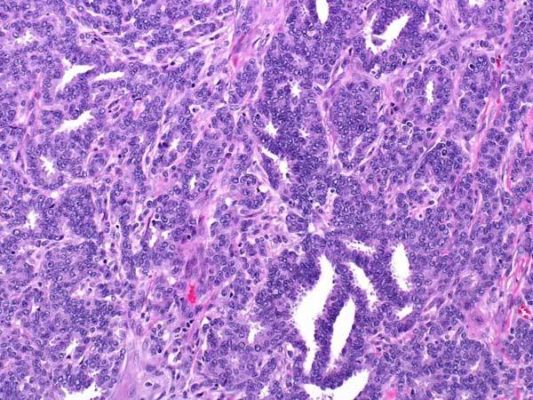
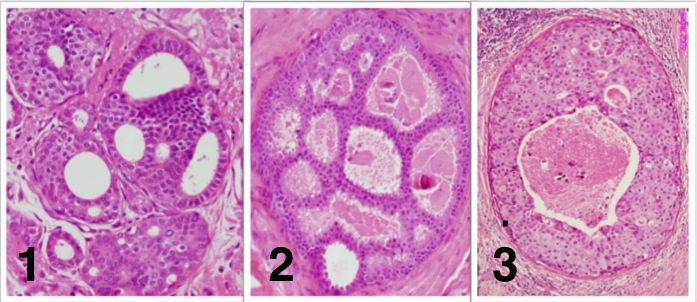
What does a nuclear grade of 2-23 mean to the patient. Around 56 of invasive breast cancers have parts of the tumor that are cribriform according to. The nuclear grade describes how closely the nuclei of cancer cells look like the nuclei of normal breast cells.
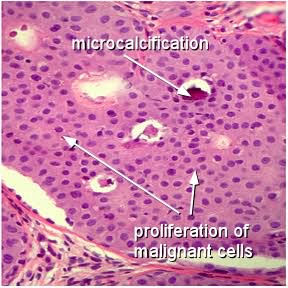
Size and shape of nuclei in the image below are highly variable suggesting a grade III nuclear assessment. Describes how quickly the cancer cells are multiplying or dividing using a 1 to 3 scale. Patients with higher grade DCIS may need additional treatment.
It is typically low grade slow growing cancer that has a better outlook than most other types. Stage 2 means the breast cancer is growing but it is still contained in the breast or growth has only extended to the nearby lymph nodes. Cancer cells and tissue look very abnormal.
Grade 3 or poorly differentiated. A rare and aggressive type of breast cancer where the cancer cells infiltrate the lymphovascular spaces within the skin dermis causing changes in the overlying breast skin. The cells are slower-growing and look more like normal breast tissue.
Tests that can measure the rate of growth include. Tumor grade is one of many items that will appear on your pathology report if you have breast cancer. They go for the highest grading in the tumour.
Not that many cells are dividing to make new cancer cells. This system grades breast tumors based on the following features. This would likely correspond to a nuclear grade assessment of grade II adding 2 points to the cumulative total.
Because cancer is defined as a malignant tumor that has the ability to spread beyond the breast sometimes in-situ carcinoma is considered a pre-cancer because it hasnt spread. This number tells you what percentage of cells in the sample are in the process of copying their genetic information or DNA.

Pin On Lungs
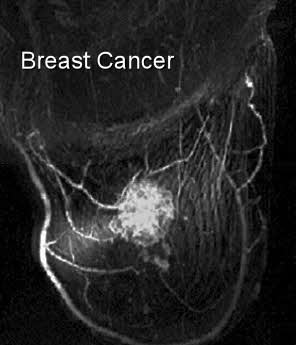
Breast Cancer Survival Rates What You Need To Know
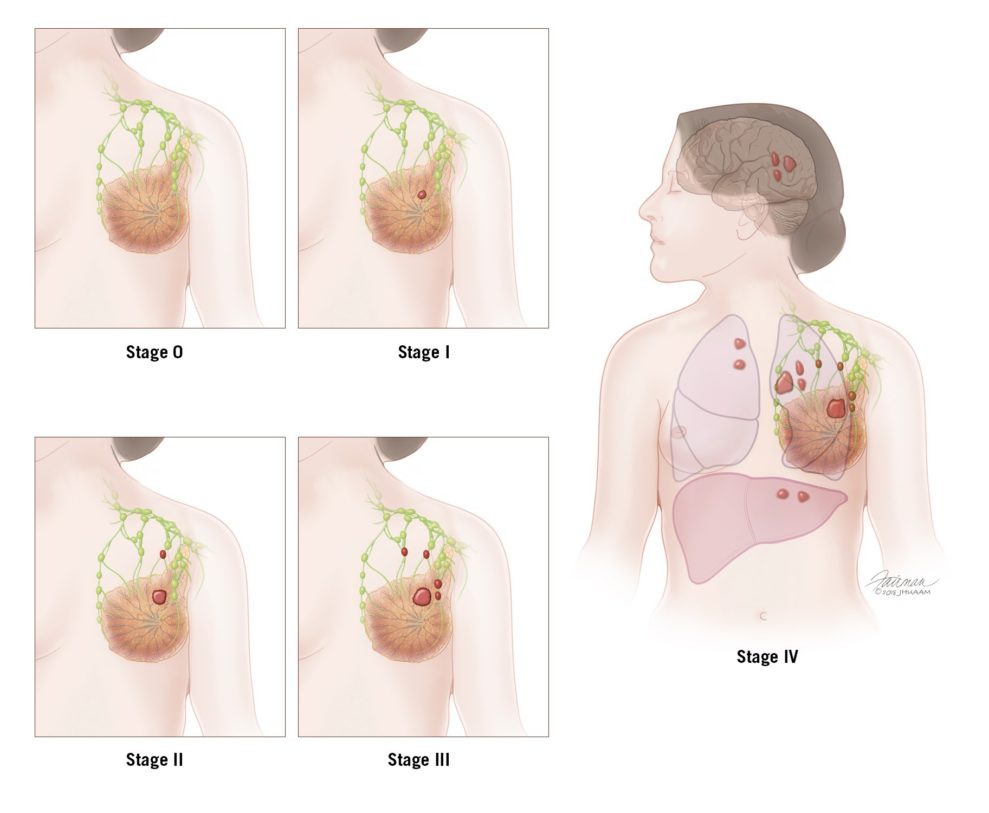
Staging Grade Breast Pathology Johns Hopkins Pathology

Pin By Andres Sanchez On Oncology Map Oncology Map Screenshot
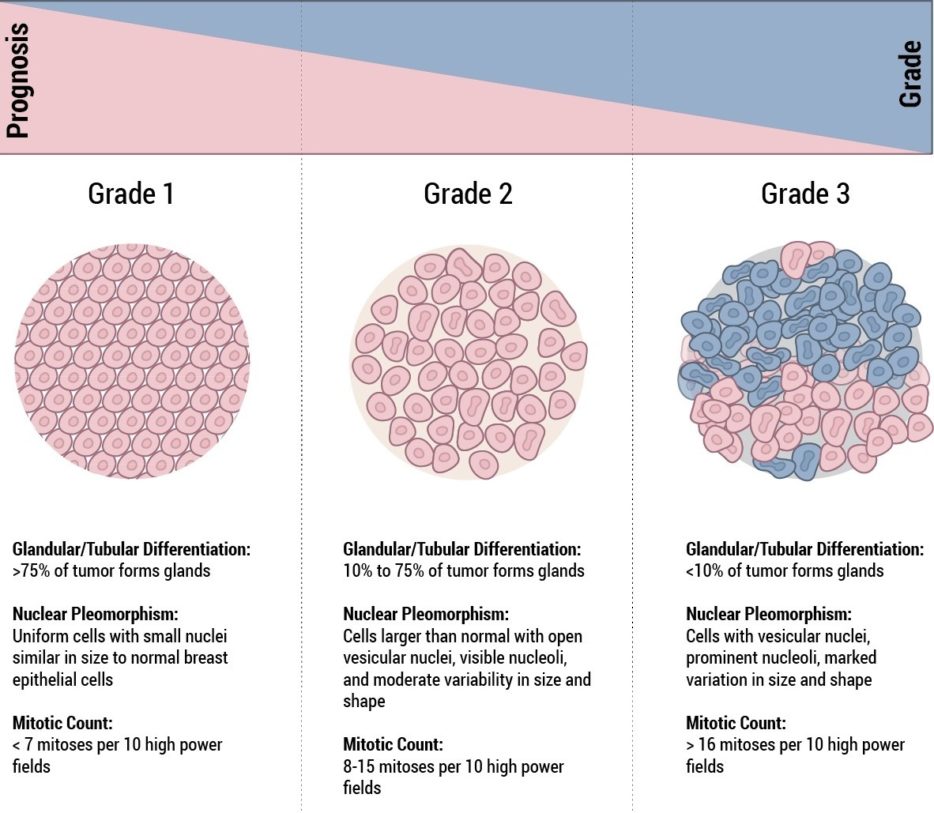
Staging Grade Breast Pathology Johns Hopkins Pathology

Breast Cancer Types And Stages Mybreastcancertreatment Org
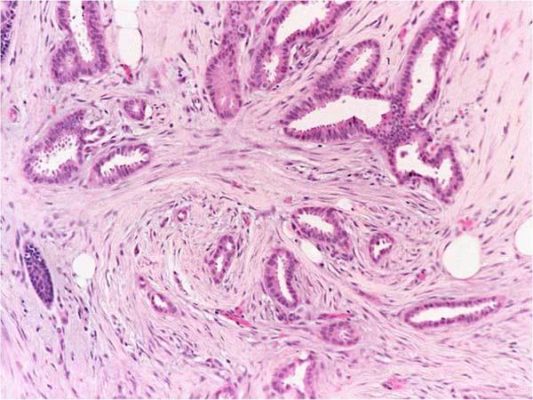
Staging Grade Breast Pathology Johns Hopkins Pathology
Pin On Acoustic Neuroma

Pin By Andres Sanchez On Oncology Map Oncology Map Screenshot
Staging Grade Breast Pathology Johns Hopkins Pathology
Risk Of Breast Cancer Death Is Low After Dcis Diagnosis National Cancer Institute

Pin On Understand Hematology

Ductal Carcinoma In Situ Dcis Dr Susan Love Foundation For Breast Cancer Research
Staging Grade Breast Pathology Johns Hopkins Pathology
Types Of Breast Cancer Breast Pathology Johns Hopkins Pathology
Grading And Types Of Dcis Including Papillary Cribriform
Prognostic Factors And Survival Rates For Ductal Carcinoma In Situ
Understanding Your Pathology Report Breast Cancer Oncolink
Definition Of Low Grade Squamous Intraepithelial Lesion Nci Dictionary Of Cancer Terms National Cancer Institute